
Peter Tumbas
REALTOR® · Berkshire Hathaway HomeServices New England Properties
- Co-op maintenance includes the building's property tax and often part of its underlying mortgage and heat. Condo common charges do not include property tax, which you pay in a separate bill. One agent's early-2026 benchmark for the Upper East Side is about $1.40 to $2.00 per square foot per month for co-ops and $1.00 to $1.60 for condos.
- The listing's monthly figure is not the whole bill. Add electricity, your own insurance and any special assessment, and ask for two years of building financials and the reserve balance before you offer.
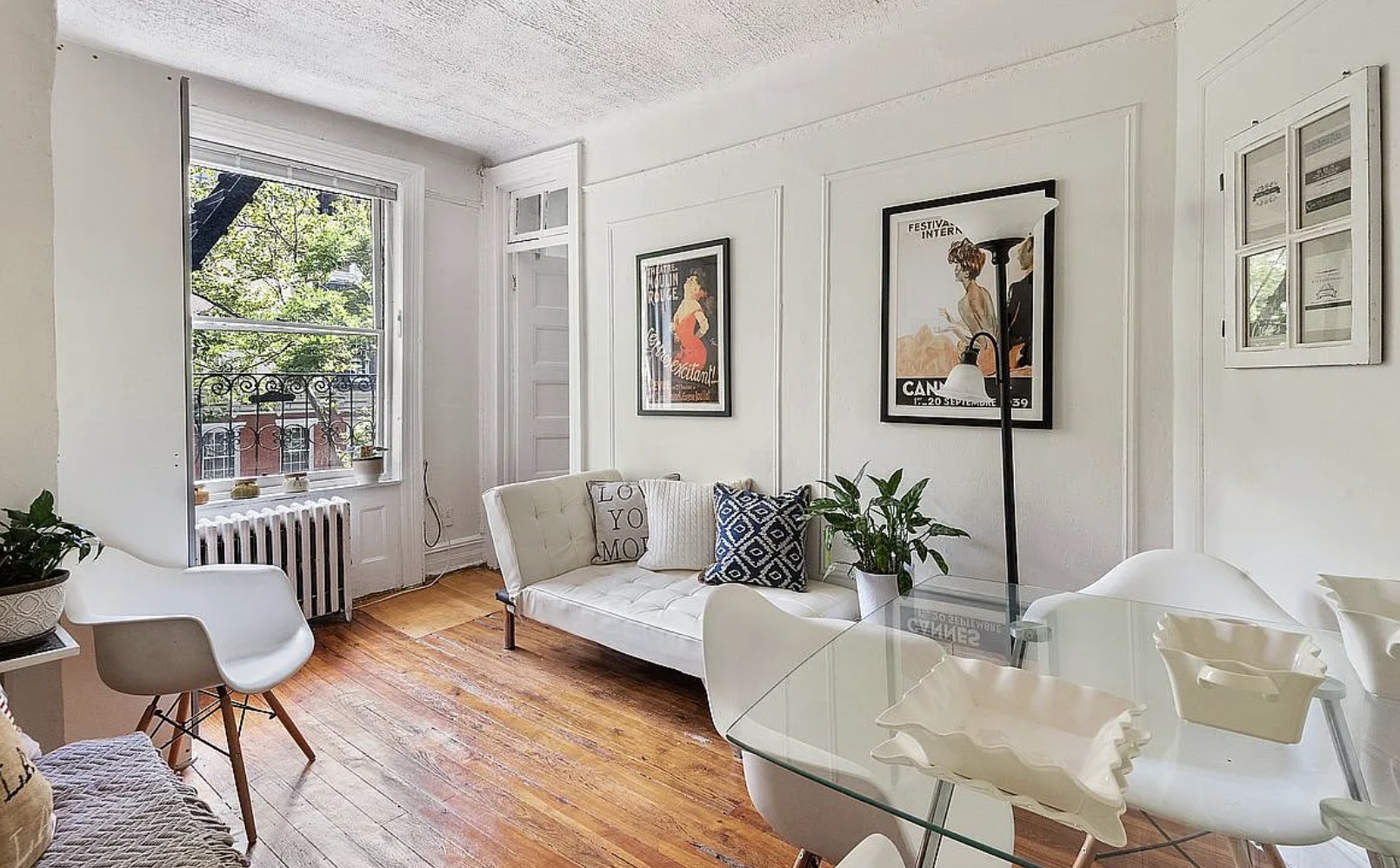
The price on the listing is only the start. Every month after closing you pay the building to run itself: staff, repairs, insurance and, in a co-op, the property tax. On a small apartment like the $250,000 Lenox Hill studio above, that monthly charge can be more than half the size of the mortgage payment. This guide explains maintenance and common charges, what they cover and leave out, what Upper East Side buyers typically pay, and how to spot a special assessment before it reaches you. Figures are as of October 9, 2026.
What is the difference between maintenance and common charges?
Co-op owners pay monthly maintenance. Condo owners pay monthly common charges. Both cover the cost of running the building: staff, repairs, insurance, common-area utilities and contributions to reserves. The big difference is property tax. A co-op passes its tax through in maintenance, and a condo owner pays tax in a separate bill, per Skybriz.
| Item | Co-op maintenance | Condo common charges |
|---|---|---|
| Staff, repairs, building insurance, reserves | Included | Included |
| Property tax | Included, from the building's single bill | Not included; you pay a separate city bill |
| Underlying mortgage | Often a share of it | Not included |
| Heat and hot water | Often included | Varies by building |
| Electricity | Usually billed to you | Usually billed to you |
| Insurance on your interior and belongings | Your own policy | Your own policy |
A co-op's share is set by the shares allocated to your apartment, which reflect its size and location, per Holland & Knight. The building's master insurance policy covers the structure and common areas, not your interior, according to this Manhattan broker guide, so you need your own policy.
How much are maintenance and common charges on the Upper East Side?
Fees depend on the building more than the neighborhood, but benchmarks help you sense-check a listing. A Corcoran agent's early-2026 observations of active listings and closed sales put Upper East Side co-op maintenance at about $1.40 to $2.00 per square foot per month and condo common charges at about $1.00 to $1.60, per Anthony Park. Condo owners then add property tax.
| Building type | Per square foot per month |
|---|---|
| Pre-war co-op, no doorman | $0.80 to $1.25 |
| Pre-war co-op, doorman | $1.25 to $1.75 |
| Full-service co-op | $1.75 to $2.50+ |
| Post-war condo, basic | $0.75 to $1.10 |
| New development condo | $1.00 to $1.75 |
Treat these as ranges. They are one agent's observations, not a published dataset, and other guides report different averages. Use them to question a number that looks too low or too high, then rely on the building's own budget. In Lenox Hill, mid-size elevator buildings often carry lower monthly charges than the grandest avenue addresses, per our Lenox Hill housing guide.
What does maintenance cost next to the mortgage on a $250,000 studio?
On a small apartment, the monthly charge is a large share of the monthly cost. The table below assumes a 500-square-foot studio, 20% down ($50,000) and a 30-year fixed loan of $200,000 at 7.28%, the average rate in our rates guide. It is an illustration, not the numbers for the apartment pictured.
| Item | Co-op | Condo |
|---|---|---|
| Mortgage principal and interest | $1,368 | $1,368 |
| Maintenance or common charges (Upper East Side range) | $700 to $1,000 | $500 to $800 |
| Property tax | In maintenance | Separate bill, not shown |
| Total before electricity and insurance | About $2,070 to $2,370 | About $1,870 to $2,170, plus tax |
At those ranges, co-op maintenance equals about 51% to 73% of the mortgage payment. Many co-ops also require more than 20% down, which lowers the loan and raises your cash outlay. Lenders count maintenance and common charges in your debt-to-income ratio, so high fees reduce how much you can borrow. Compare the total monthly cost of two apartments, not the price.
What is not included in the monthly charge?
- Electricity. It is usually billed to your apartment. Cable and internet are separate.
- Your own insurance. A policy for your interior, belongings and liability.
- Property tax, for condos. You pay the city directly, and your lender may collect it with your mortgage payment.
- Special assessments. They sit on top of the monthly charge.
- Building fees. Storage, parking, bike rooms and move-in fees are often extra. Application and move-in fees run about $1,000 to $2,000, per our cost guide.
- Flip tax, when you sell. Some co-ops charge 1% to 3% of the price to the seller.
How does the property tax work, and who gets the abatement?
In a co-op, the corporation receives one tax bill and spreads it across shareholders through maintenance. In a condo, each owner receives a separate bill from the city. New York City also offers a co-op and condo tax abatement that cuts the annual tax by 17.5% to 28.1%, depending on the average assessed value of the units in the development, per the NYC Comptroller.
The abatement is for primary residences only. A unit owned by an LLC does not qualify, and a person can have only one primary residence. If you plan to use the apartment part time, do not count on the abatement, and read our pied-à-terre checklist for the separate city surcharge. For co-ops, the managing agent usually handles the abatement, and the board decides how to pass it through, per Hauseit. Ask how your building does it.
What is a special assessment, and what triggers one?
A special assessment is an extra charge that pays for a large expense the monthly budget does not cover. It can be a one-time payment, a monthly surcharge, often over 12 to 36 months, or a mix, and it can range from a few hundred dollars to tens of thousands of dollars per unit, per Skybriz. Common triggers are:
- Façade work required under Local Law 11.
- Roof, elevator or boiler replacement.
- Energy compliance under Local Law 97. It covers buildings over 25,000 gross square feet, with limits that began in 2024 and tighten in 2030, per the NYC Department of Buildings.
- Insurance increases and a reserve fund that is too small.
Ask whether any assessment is in place, approved or likely in the next few years. Your attorney should confirm who pays an assessment that is announced before closing.
How do you read a building's financials before you offer?
Your attorney reviews the building's documents after your offer is accepted, but you can ask your agent for the headline numbers earlier. Look for:
- The last two years of financial statements and the current budget. Check whether income covers expenses without borrowing.
- The reserve fund balance. One broker guide treats a reserve under 10% of the annual budget as a warning sign and 20% or more as a good sign. There is no official standard, so read it alongside the building's plans.
- Maintenance history. How much did charges rise each year for the past five years?
- Underlying mortgage. For a co-op, the balance, the interest rate and when it comes due.
- Capital projects and assessments. Completed, in progress and planned.
- Unpaid fees. Whether many owners are behind on maintenance, which can strain the budget.
- Flip tax and sublet rules. They shape what you pay and what you can do with the unit later.
Our guides to the co-op board package and co-op or condo cover what boards review and how the two structures differ.
How do you start?
Tell us your budget, your preferred building type and the monthly total you are comfortable with. We match you with a licensed New York agent who works Lenox Hill, Carnegie Hill or Yorkville and can pull the maintenance, assessment and reserve details for the buildings on your list. Submit a private inquiry below.
General information only, not legal, tax or financial advice. Per-square-foot figures are one agent's benchmarks and the mortgage example is an illustration with stated assumptions. Fees, taxes and rules change by building and by year. Confirm each building's actual numbers with your New York attorney, lender and tax professional.
Frequently asked questions
What is the difference between maintenance and common charges?
Co-op owners pay monthly maintenance and condo owners pay common charges. Both cover building operating costs such as staff, repairs and insurance. Co-op maintenance also includes the unit's share of the building's property tax and, in many co-ops, part of the building's underlying mortgage. Condo owners pay property tax in a separate bill. See also: Co-op or Condo on the Upper East Side.
What is a typical maintenance fee for a studio on the Upper East Side?
One Corcoran agent's early-2026 benchmark puts Upper East Side co-op maintenance at about $1.40 to $2.00 per square foot per month. On a 500-square-foot studio that is roughly $700 to $1,000 a month. Condo common charges run about $1.00 to $1.60 per square foot, or $500 to $800, plus a separate property tax bill. Ask for the building's actual figure.
Does co-op maintenance include property tax?
Yes. The co-op corporation receives one property tax bill for the whole building and passes each shareholder's share through monthly maintenance. Condo owners receive and pay their own property tax bill. See also: What It Costs to Buy on the Upper East Side in 2026.
What is a special assessment?
A special assessment is a charge on top of monthly maintenance or common charges to pay for a large expense, such as façade repairs, a roof, an elevator or a boiler. It can be a one-time payment or a monthly surcharge, often over 12 to 36 months, and can run from a few hundred dollars to tens of thousands of dollars per unit. Ask for pending and planned assessments before you sign.
Can maintenance go up after I buy?
Yes. The board or board of managers sets the building budget and can raise maintenance or common charges when costs rise. Ask for the last several years of increases and the current budget before you make an offer. See also: What Goes Into a Co-op Board Package.
Is co-op maintenance tax deductible?
Part of it may be. The portion that pays the building's property tax and underlying mortgage interest can be deductible for owners who itemize. Condo common charges generally are not, though condo owners can deduct their own property tax. Ask the managing agent for the deductible percentage and confirm with your CPA.
Sources
- Anthony Park, Corcoran: Common charges per square foot in NYC
- Skybriz: NYC maintenance vs. common charges
- What do Manhattan maintenance fees actually cover?
- Holland & Knight: New York State enacts pied-à-terre tax
- NYC Comptroller: Co-op and condo tax abatement program audit
- Hauseit: NYC co-op and condo tax abatement
- NYC Department of Buildings: Local Law 97 greenhouse gas emissions reductions
Ready to look on the Upper East Side?
Peter is a Connecticut-licensed REALTOR® who introduces buyers to licensed New York agents. Tell him your budget and building type and he will match you with the right one.
October 2026
Yorkville vs. Carnegie Hill: Which Upper East Side Neighborhood Fits?
Two very different ways to live on the Upper East Side, and the questions that decide between them.
Read →October 2026
Co-op or Condo on the Upper East Side: How to Choose
What you actually own, how approval and financing differ, and which buyers each structure suits.
Read →October 2026
What Goes Into a Co-op Board Package
The documents co-op boards ask for, how the review works, and how to prepare before you make an offer.
Read →October 3, 2026
How Much Does It Cost to Buy an Apartment on the Upper East Side in 2026? Price, Closing Costs, Taxes and Monthly Fees
Upper East Side prices, buyer closing costs, the mansion tax, monthly charges and the new pied-à-terre surcharge for co-op and condo purchases, with 2026 figures.
Read →October 4, 2026
Manhattan Sales Rise as Inventory Shrinks: What the Third Quarter 2026 Numbers Mean for Upper East Side Buyers
Manhattan closed sales rose 8% and listings fell 10.7% in the third quarter of 2026 while the median price held at a record $1.25 million. What it means for Upper East Side buyers.
Read →October 5, 2026
Rent vs. Buy on the Upper East Side in 2026: When Does Owning Beat Renting?
A $4,500 rent costs $54,000 a year. See what ten years of renting and owning cost on the Upper East Side and when owning breaks even at 2026 rents and mortgage rates.
Read →October 6, 2026
Will Upper East Side Prices Fall to Offset 7% Mortgage Rates? What Buyers and Sellers Should Do
Prices would have to fall 41% to offset a 7.28% mortgage rate against the 2021 low. Practical moves for Upper East Side buyers and sellers in the 2026 market.
Read →October 7, 2026
How to Buy an Apartment on the Upper East Side as an Out-of-State Buyer: A Step-by-Step Guide for 2026
The steps, deposit, timeline and costs to buy an Upper East Side apartment if you live outside New York, from preapproval and attorney to board approval and closing.
Read →October 8, 2026
Buying a Pied-à-Terre on the Upper East Side in 2026: A Checklist to Run Before You Make an Offer
Co-op rules, the new NYC pied-à-terre surcharge, New York tax residency, second-home financing and rental limits: eight checks to run before you buy a part-time apartment on the Upper East Side.
Read →