
Peter Tumbas
REALTOR® · Berkshire Hathaway HomeServices New England Properties
- Most Upper East Side co-op boards want 20% to 25% down, a debt-to-income ratio around 25% to 30% and 12 to 24 months of mortgage plus maintenance in cash after closing. Stricter buildings ask for more, and each board sets its own rules.
- On a $329,000 one-bedroom with 20% down, our illustration needs about $105,836 to $139,292 in total cash, including closing costs and reserves. A lender can approve a small down payment that a board still rejects, so get the building's numbers in writing before you offer.
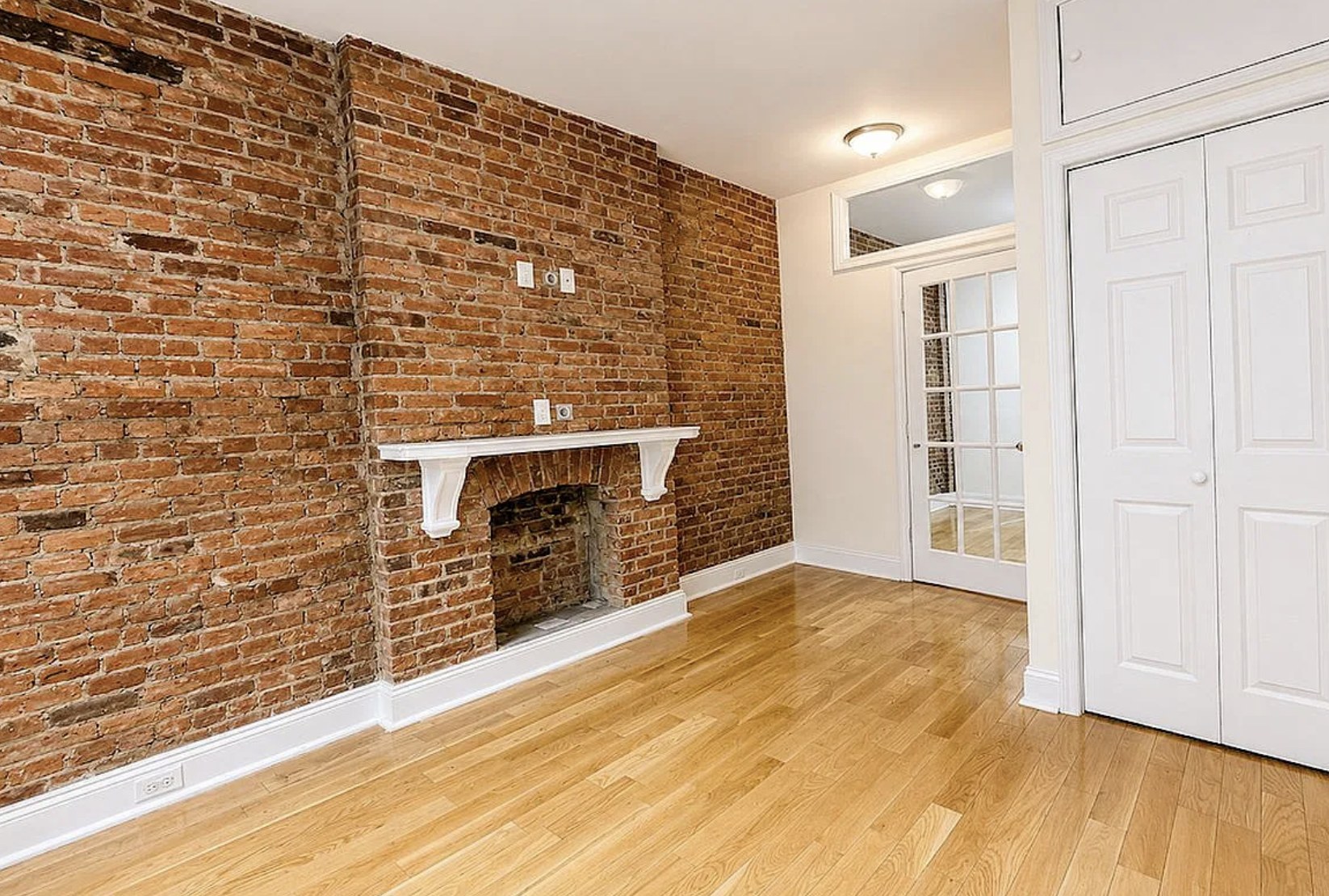
A lender decides whether it will make you a loan. A co-op board decides whether you can live in the building, and it can be stricter than the lender. Most boards look at three numbers: how much you put down, how your monthly costs compare with your income and how much cash you still have after closing. This guide explains each one, shows a worked example on the one-bedroom in the photo and lists what to ask before you make an offer. Figures are as of October 15, 2026.
What three tests do co-op boards apply?
| Test | Typical range | Stricter buildings |
|---|---|---|
| Down payment | 20% to 25% of the price | 25% to 30%, or 40% to 50%, or cash only |
| Debt-to-income | About 25% to 30% | 25% to 28% or lower |
| Cash after closing | 12 to 24 months of mortgage plus maintenance | More than 24 months, or a multiple of the price |
These are orientation ranges from published broker guides, not rules. Each building sets its own, and the lender's rules and the board's rules can differ.
How much down payment do co-ops require?
One broker guide calls at least 20% down a rule of thumb for New York City co-ops and suggests budgeting 25%. Conservative boards ask for 25% to 30% even when a lender would approve less, and stricter buildings require 40% to 50% down or accept only cash buyers. The same guide describes 10% down as rare. Our out-of-state buyer guide uses the same 20% to 25% range. A bigger down payment also gives you a smaller mortgage and a smaller monthly payment.
What debt-to-income ratio do boards want?
Published guidance puts the common target at 25% to 30%, with some buildings looking for 25% to 28% or lower, per Milton Coste. Boards do not all measure it the same way. Some apply the ratio to your housing cost alone, which means the mortgage payment plus maintenance. Others count all your monthly debts, such as car loans, student loans and credit card minimums. Maintenance counts either way, so a building with high maintenance limits what you can borrow, as our maintenance guide explains.
What is post-closing liquidity, and what counts?
Post-closing liquidity is the cash you must still hold after the down payment and closing costs. Boards commonly want 12 to 24 months of combined mortgage and maintenance in liquid assets, and 24 months is a frequently cited Manhattan standard, according to Milton Coste. Some buildings use maintenance alone, and a minority use a multiple of the price. Treatment of assets varies:
- Counted in full: checking and savings, money market funds, certificates of deposit and government securities.
- Discounted: stocks, bonds and mutual funds, often valued at 70% to 80% of current price.
- Often not counted in full: 401(k) and IRA balances, equity in other real estate, unvested equity compensation and business interests. Get the building's treatment in writing.
- Gift funds: some boards allow a gift toward the down payment but exclude it from the reserve, because the reserve is meant to show your own capacity.
What does this look like on a $329,000 one-bedroom?
The Yorkville one-bedroom in the photo asks $329,000. We do not know that building's maintenance or board rules, so this is an illustration. It assumes a 30-year fixed mortgage at 7.28%, the Freddie Mac average on October 1, 2026, maintenance of 3.6% of the price a year (about $987 a month, the same ratio as the Yorkville example in our under-$500,000 guide) and closing costs of 2% of the price ($6,580), a planning figure in line with the 1% to 2% broker estimate and our cost to buy guide.
| Item | 20% down | 25% down |
|---|---|---|
| Down payment | $65,800 | $82,250 |
| Mortgage | $263,200 | $246,750 |
| Principal and interest | $1,801 | $1,688 |
| Maintenance (assumed) | $987 | $987 |
| Monthly total | $2,788 | $2,675 |
| Income needed if housing is 30% of income | $111,520 | $107,000 |
| Income needed if housing is 25% of income | $133,824 | $128,400 |
| Reserve at 12 months | $33,456 | $32,100 |
| Reserve at 24 months | $66,912 | $64,200 |
| Total cash needed, 12-month reserve | $105,836 | $120,930 |
| Total cash needed, 24-month reserve | $139,292 | $153,030 |
Total cash is the down payment plus closing costs plus the reserve. The income rows assume the board applies the ratio to housing cost alone. If it counts all your monthly debts, you need more income or less debt. Treat the table as a way to run your own numbers. It is not a quote.
Does a bigger down payment reduce the reserve you need?
Only a little. Moving from 20% to 25% down adds $16,450 of cash and cuts principal and interest by $113 a month. Against a 24-month standard, that trims the reserve by about $2,712, and it does not change the target at all if the board counts maintenance alone. A larger down payment mainly lowers the monthly payment and can help you clear a building's minimum. It does not replace cash in the bank.
Are there first-time buyer programs for co-ops?
Two programs are worth asking a lender about if the apartment will be your primary residence:
- SONYMA Achieving the Dream. Allows as little as 3% down, with a 3% minimum cash contribution for co-ops and 3% down payment assistance. Buyers generally need to be first-time buyers, complete a homebuyer course and stay within income and price limits, per New York State Homes and Community Renewal.
- NYC HomeFirst. Provides up to $100,000 toward a down payment or closing costs, with an income limit, a minimum 3% contribution from your own funds, a homebuyer course and a 10- or 15-year owner-occupancy period, per the NYC Housing Preservation and Development brochure.
A program that lets a lender approve a small down payment does not bind the board. A board can reject a buyer after the lender approves, so ask whether the building accepts these loans and what down payment and reserves it requires.
What should you ask before you make an offer?
- What is the minimum down payment, and is any financing allowed?
- What debt-to-income ratio does the board use, and does it count housing cost only or all debts?
- How many months of reserves, and are they mortgage plus maintenance or maintenance alone?
- Which assets count, and are retirement accounts or gifts allowed?
- Does the building allow guarantors?
- What are the board application fee and the move-in deposit?
Ask the listing agent or the managing agent for the answers in writing. Then review the building's own finances, as covered in our guide to reading co-op financial statements, and prepare your documents with the co-op board package guide. If rents keep climbing, our piece on tight rentals and buying explains when owning is worth testing.
How do you start?
Tell us your budget, neighborhood and how much cash you have set aside. We match you with a licensed New York agent and a lender who works with co-ops, so you know which buildings you qualify for before you tour. Submit a private inquiry below.
General information only, not legal or financial advice. Ranges come from published broker guides and state program pages as of October 15, 2026. They are not official standards, and each board sets its own rules. The worked example is an illustration with stated assumptions, not a quote or a statement about the Yorkville listing. Peter is licensed in Connecticut and does not represent buyers in New York.
Frequently asked questions
How much down payment do you need for a co-op in New York City?
Most boards want 20% to 25% down. A broker guide calls 20% the rule of thumb and 25% the safer planning figure. More conservative boards ask for 25% to 30%, and some stricter buildings ask for 40% to 50% or allow only cash buyers. Each building sets its own minimum, so get the number in writing before you offer. See also: How to Buy an Apartment Under $500,000.
Can you buy a co-op with 10% down or less?
It is uncommon. One broker guide describes 10% down as rare. The SONYMA Achieving the Dream program allows as little as 3% down for first-time buyers, with a 3% minimum cash contribution for co-ops, but the building's board still has to accept the financing. Check the building's rules before you rely on a low-down-payment loan.
What is post-closing liquidity?
It is the cash and easy-to-sell assets you must still have after you pay the down payment and closing costs. Boards commonly ask for 12 to 24 months of mortgage plus maintenance, and one broker guide calls 24 months a frequent Manhattan standard. Some buildings count maintenance alone, so ask how your building measures it.
What debt-to-income ratio do co-op boards want?
Published guidance puts the common target at 25% to 30%, and some buildings look for 25% to 28% or lower. Boards differ on whether the ratio counts only housing costs or all monthly debts, so ask the managing agent how the building calculates it.
Can gift money or retirement accounts count?
It depends on the building. Some boards allow gifted down payment funds with a signed gift letter and some allow none, and a board may accept a gift for the down payment while excluding it from post-closing liquidity. Retirement accounts such as 401(k) and IRA balances are often treated as illiquid or given partial credit. Ask for the building's treatment in writing. See also: What Goes Into a Co-op Board Package.
Sources
- Skybriz: Down payment requirements for co-ops in NYC (2026)
- Milton Coste: NYC co-op post-closing liquidity requirements
- New York State HCR: SONYMA Achieving the Dream program
- NYC Housing Preservation and Development: HomeFirst brochure
- Freddie Mac Primary Mortgage Market Survey, 7.28% 30-year average on October 1, 2026
Ready to look on the Upper East Side?
Peter is a Connecticut-licensed REALTOR® who introduces buyers to licensed New York agents. Tell him your budget and building type and he will match you with the right one.
October 2026
Yorkville vs. Carnegie Hill: Which Upper East Side Neighborhood Fits?
Two very different ways to live on the Upper East Side, and the questions that decide between them.
Read →October 2026
Co-op or Condo on the Upper East Side: How to Choose
What you actually own, how approval and financing differ, and which buyers each structure suits.
Read →October 2026
What Goes Into a Co-op Board Package
The documents co-op boards ask for, how the review works, and how to prepare before you make an offer.
Read →October 3, 2026
How Much Does It Cost to Buy an Apartment on the Upper East Side in 2026? Price, Closing Costs, Taxes and Monthly Fees
Upper East Side prices, buyer closing costs, the mansion tax, monthly charges and the new pied-à-terre surcharge for co-op and condo purchases, with 2026 figures.
Read →October 4, 2026
Manhattan Sales Rise as Inventory Shrinks: What the Third Quarter 2026 Numbers Mean for Upper East Side Buyers
Manhattan closed sales rose 8% and listings fell 10.7% in the third quarter of 2026 while the median price held at a record $1.25 million. What it means for Upper East Side buyers.
Read →October 5, 2026
Rent vs. Buy on the Upper East Side in 2026: When Does Owning Beat Renting?
A $4,500 rent costs $54,000 a year. See what ten years of renting and owning cost on the Upper East Side and when owning breaks even at 2026 rents and mortgage rates.
Read →October 6, 2026
Will Upper East Side Prices Fall to Offset 7% Mortgage Rates? What Buyers and Sellers Should Do
Prices would have to fall 41% to offset a 7.28% mortgage rate against the 2021 low. Practical moves for Upper East Side buyers and sellers in the 2026 market.
Read →October 7, 2026
How to Buy an Apartment on the Upper East Side as an Out-of-State Buyer: A Step-by-Step Guide for 2026
The steps, deposit, timeline and costs to buy an Upper East Side apartment if you live outside New York, from preapproval and attorney to board approval and closing.
Read →October 8, 2026
Buying a Pied-à-Terre on the Upper East Side in 2026: A Checklist to Run Before You Make an Offer
Co-op rules, the new NYC pied-à-terre surcharge, New York tax residency, second-home financing and rental limits: eight checks to run before you buy a part-time apartment on the Upper East Side.
Read →October 9, 2026
Upper East Side Maintenance, Common Charges and Hidden Fees in 2026: What You Pay Every Month After You Buy
What co-op maintenance and condo common charges cover, what they leave out, typical Upper East Side ranges, and how to spot special assessments before you buy.
Read →October 12, 2026
How to Buy an Apartment Under $500,000 on the Upper East Side in 2026: What You Get, What to Check and the Catches
Three real Upper East Side listings under $500,000, what they cost each month, how much cash you need, first-time buyer loan programs and the co-op catches to check before you offer.
Read →October 13, 2026
How to Read a Co-op's Financial Statements Before You Offer: The 10 Numbers Upper East Side Buyers Should Check
Reserves, underlying mortgage, arrears, sponsor-owned units, assessments and audit notes: what each number means, what to look for and the red flags in a co-op building's finances.
Read →October 14, 2026
Manhattan Rents Are Up 7.7% While Rental Listings Shrink: Why Some Upper East Side Renters Should Run the Numbers on Buying
Manhattan median rent is $4,900 and rental listings have fallen 15 months in a row. What the September 2026 rental report shows, what it does not, and when buying is worth a serious look.
Read →October 16, 2026
How Much Will You Net Selling an Upper East Side Co-op? Transfer Taxes, Flip Tax, Commission and Closing Costs Explained
What a $1,595,000 Upper East Side sale leaves in your pocket: transfer taxes, flip tax, commission, attorney and building fees, a worked net proceeds table and the tax on your gain.
Read →October 18, 2026
Why Upper East Side Apartments Are Priced at $999,000: How the $1 Million Mansion Tax Line Changes Your Offer
A $999,000 asking price sits $1,000 under the $1 million mansion tax line. What a $1,000,000 bid really costs, the cash needed on a $999,000 two-bedroom, and how buyers and sellers should offer and price.
Read →October 19, 2026
What Happens at an Upper East Side Co-op Board Interview? Questions, Timeline and How to Prepare in 2026
What a co-op board interview is, the questions boards ask, how long approval takes, what a board can and cannot legally do, and a worked number check on a $525,000 one-bedroom.
Read →October 20, 2026
Local Law 11 Façade Inspections and Special Assessments: What Upper East Side Co-op Buyers Should Check Before They Offer in 2026
What NYC's façade inspection law means for a co-op buyer: Safe, SWARMP and Unsafe reports, sidewalk shed rules, how a special assessment could hit your share, and what to ask before you offer.
Read →October 21, 2026
Can You Renovate an Upper East Side Co-op? Alteration Agreements, Board Approval, Costs and Timelines in 2026
What an alteration agreement is, what a board needs before you renovate, the fees and timeline before work starts, what renovation costs per square foot, and what to check before you offer.
Read →October 22, 2026
What Happens at a Co-op Closing in Manhattan? Documents, Cash Due, Timeline and a Closing-Day Checklist for 2026
The documents, cash due, timeline and closing-day checklist for a Manhattan co-op purchase, with a worked example on a $675,000 Yorkville one-bedroom.
Read →October 23, 2026
Buying a $1.375 Million Upper East Side Co-op: Is It a Jumbo Loan? Down Payment, Mansion Tax and Cash Needed in 2026
Whether a $1.375 million co-op loan is a jumbo, plus the down payment, $13,750 mansion tax, cash to close and monthly cost, with a worked example on a Yorkville two-bedroom.
Read →October 25, 2026
Buying a Newly Renovated Studio on the Upper East Side: What to Check on a $319,000 Yorkville Co-op in 2026
What a "newly renovated" studio co-op does and does not tell you, the documents to request, monthly cost, cash to close and sublet rules, with a worked example on a $319,000 Yorkville studio.
Read →October 28, 2026
Buying a Ground-Lease Co-op in Lenox Hill: Lease Expiration, Rent Resets, Financing and What to Ask Before You Offer in 2026
How a ground-lease co-op works, why the rent reset and lease expiration matter, a real Lenox Hill listing, and cash to close at $1.195 million, with the questions to ask before you offer.
Read →October 29, 2026
How to Make an Offer on an Upper East Side Apartment: Bidding, the Contract, the 10% Deposit and the New 45-Day Co-op Board Clock in 2026
What an offer includes, how negotiation and the contract work, the 10% deposit, contingencies and the new 45-day co-op board clock, with a worked example on a $549,000 Yorkville one-bedroom.
Read →